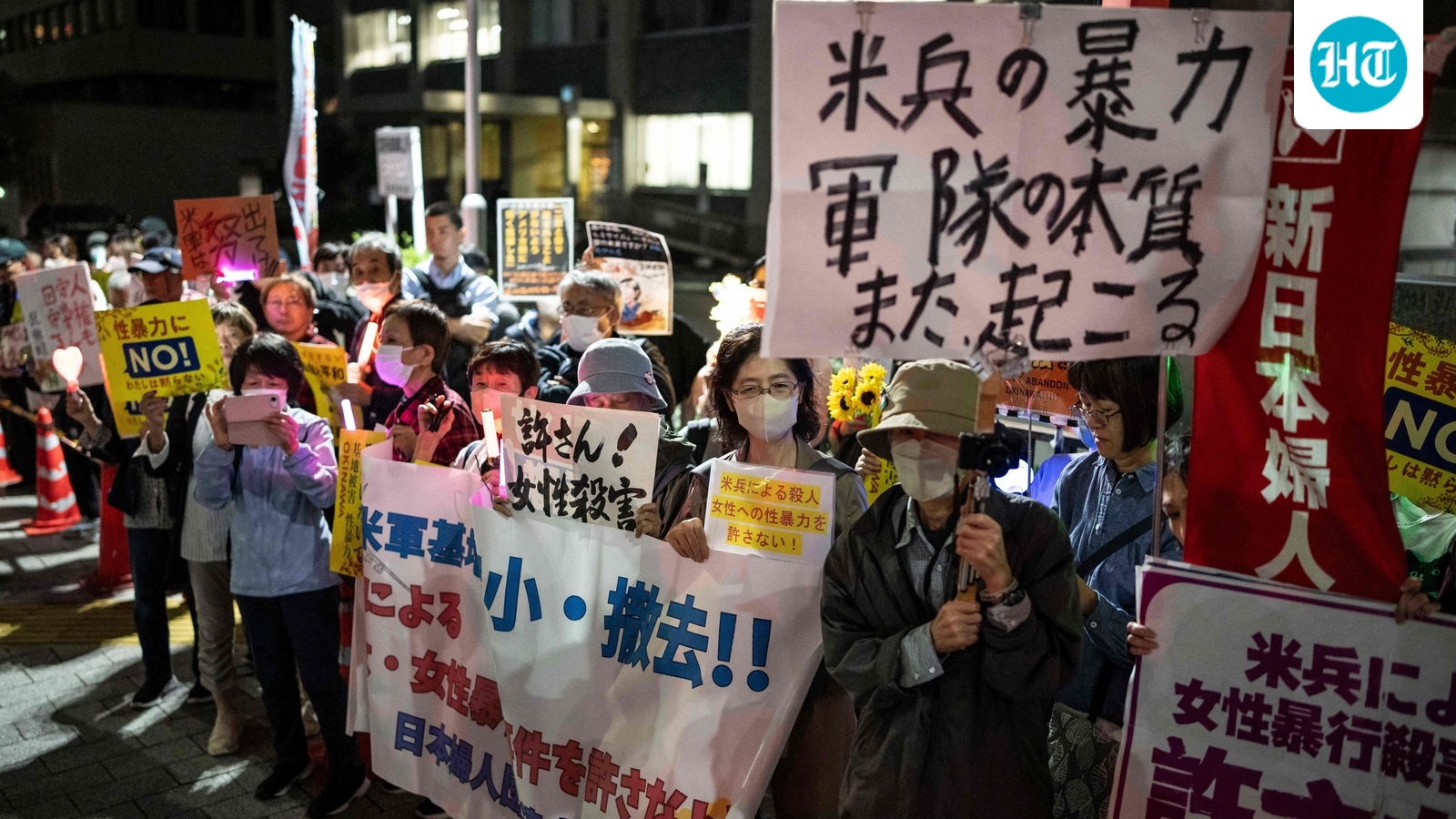
Japanese prosecutors have indicted a US Marine on murder and robbery charges in connection with a woman’s death in Okinawa, according to Hindustan Times. The court in Naha confirmed that the indictment was filed on October 25. The case puts a serious criminal prosecution alongside longstanding concerns in Okinawa about public safety and accountability involving US military personnel. An indictment is a formal accusation, not a finding of guilt.
What the Indictment Means
The filing moves the case into the prosecution stage of Japan’s criminal justice process. Prosecutors will need to establish the allegations through evidence presented in court, while the accused has the right to contest the charges. The distinction between an allegation and a proven offense remains essential as the proceedings develop.
The murder and robbery charges concern both the woman’s death and an alleged property-related offense. The precise relationship between those allegations, the evidence supporting them and the defense’s response are questions for the judicial process. The court’s confirmation establishes that charges were filed; it does not establish the prosecution’s account as fact.
Why Okinawa Cases Carry Wider Significance
Okinawa hosts a substantial concentration of US military facilities in Japan. Those bases form part of the broader US-Japan security alliance, but their presence has also generated recurring local concerns about crime, noise, land use and the burden placed on surrounding communities. A prosecution involving a service member can therefore attract attention well beyond the courtroom.
Criminal cases involving US personnel can also raise questions about how Japanese authorities and the American military cooperate. The bilateral Status of Forces Agreement provides a framework governing the presence of US forces, including jurisdictional arrangements. How those arrangements operate depends on the circumstances of a case; the agreement should not be treated as a blanket exemption from Japanese law.
Key points:
- Hindustan Times reports that a US Marine faces murder and robbery charges.
- The Naha court confirmed an October 25 indictment filing.
- The charges remain allegations to be tested through legal proceedings.
- The case intersects with longstanding Okinawan concerns about military accountability.
Readers should watch for court scheduling, the prosecution’s presentation of evidence and the defense’s response. Statements from Japanese authorities and US military officials may also clarify cooperation surrounding the case. Those developments will matter more than speculation in understanding both the criminal proceedings and any wider policy consequences.