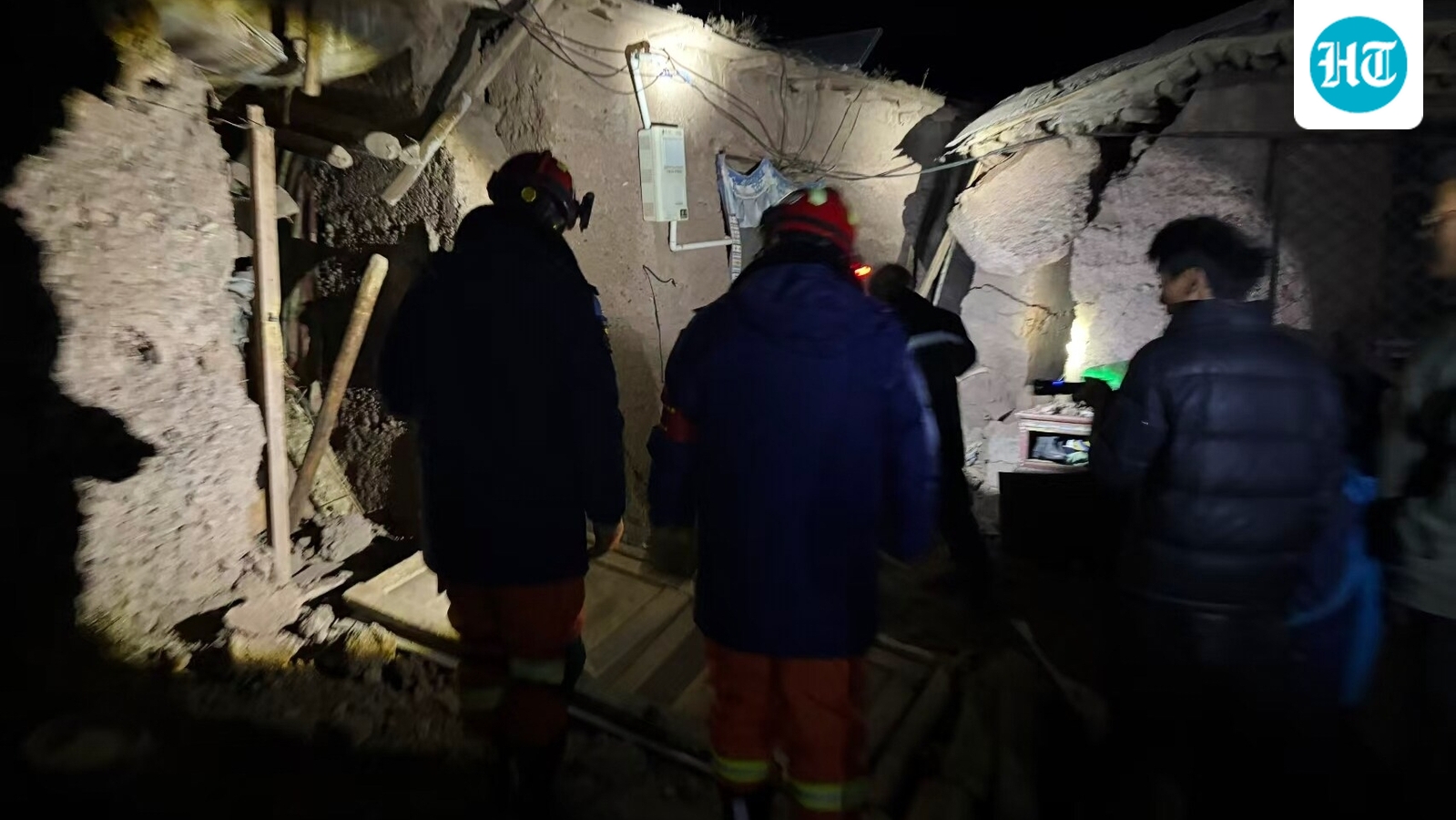
A powerful earthquake in Tibet has killed 16 people and caused hundreds of homes to collapse, according to Hindustan Times, with search and rescue operations underway. The report says at least 339 homes and 20 livestock sheds collapsed. The destruction raises urgent concerns about people trapped beneath debris, displaced households and the challenges of reaching communities in a remote, high-altitude region.
Rescue efforts in northern Tibet
Citing the US Geological Survey, Hindustan Times places the earthquake’s epicentre about 191 kilometres east-northeast of Nagqu, in a sparsely populated area of northern Tibet. That setting matters for emergency operations: long distances between settlements can make it harder to assess damage quickly and move rescuers, medical teams and equipment to affected locations. The condition of access roads will be an important factor in the response.
Collapsed homes create an immediate need to locate survivors while protecting rescue workers from unstable walls and debris. Aftershocks are a recognised hazard following significant earthquakes and can further damage weakened structures. Emergency shelter, medical treatment, drinking water and protection from exposure are also priorities when residents cannot safely return indoors. The scale of those needs will depend on how many communities have been affected.
Why the region faces earthquake risk
Tibet lies within a broad zone shaped by the continuing collision of the Indian and Eurasian tectonic plates. That collision has helped build the Himalayas and the Tibetan Plateau, while also producing faults capable of generating damaging earthquakes. The severity of destruction at any location depends on several factors, including the earthquake’s depth, distance from the rupture, local ground conditions and building strength.
The reported loss of livestock sheds also points to potential consequences beyond housing. In pastoral communities, livestock can be central to household income and food security. Damage to shelters and other rural infrastructure may therefore complicate recovery even after the immediate rescue phase. Assessments will need to distinguish urgent humanitarian needs from longer-term rebuilding requirements.
- Hindustan Times reports 16 deaths and at least 339 collapsed homes.
- Search and rescue operations are underway in northern Tibet.
- Altitude, remoteness and structural instability can complicate emergency work.
- Safe shelter and damage assessments will be central to recovery.
Readers should watch for updated casualty figures, official assessments of affected settlements and confirmation of whether rescuers can reach all damaged areas. Further seismic reporting and local emergency notices will also be important for understanding aftershock risks and when buildings can safely be reoccupied.