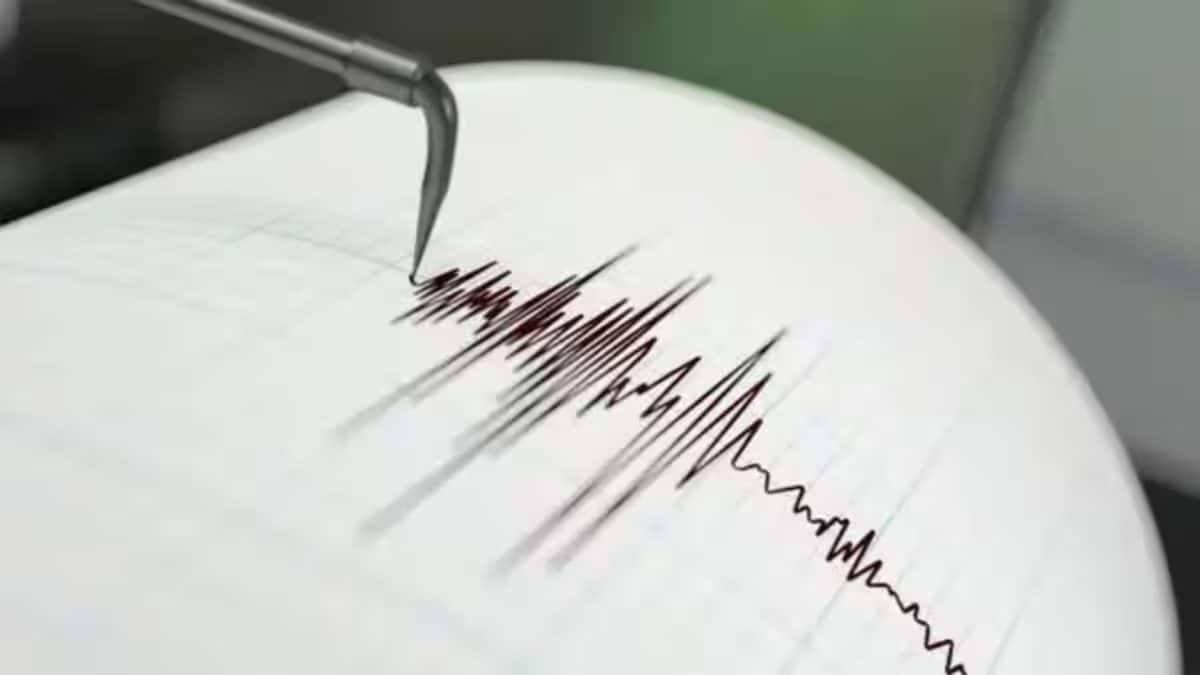
A deadly earthquake in Tibet and Ebola-related measures for air travellers to the United States lead Firstpost’s latest world-news roundup. The publisher reports that a magnitude 7 earthquake struck Tibet’s Nagqu region, killing at least 16 people and injuring 32. It also flags a new US Ebola declaration and screening rules for air travellers. The two developments put emergency response and clear public guidance in focus, though they involve very different risks.
Tibet earthquake puts rescue access in focus
According to Firstpost, the earthquake collapsed 339 homes, disrupted power and triggered rockfalls that blocked roads. Those reported conditions matter beyond the immediate damage: blocked routes can delay medical assistance, rescue equipment and essential supplies, while electricity outages can complicate communications and efforts to locate people needing help.
In a high-altitude region such as Tibet, terrain and exposure can make disaster response especially demanding. Aftershocks are also a concern following a major earthquake, particularly around damaged buildings and unstable slopes. The central questions are how quickly responders can reach affected communities, whether temporary shelter is available and what structural assessments show about homes and critical infrastructure.
Ebola travel measures need precise guidance
Firstpost’s reference to a new US Ebola declaration and screening rules raises practical questions for passengers: who is covered, what must be declared and whether any airport procedures have changed. A health declaration, screening process and entry restriction are distinct measures. Travellers should not assume that one automatically means another, or that a measure applies to every international arrival.
Ebola spreads through direct contact with the blood or other bodily fluids of an infected person who is symptomatic, or through contaminated materials; it does not spread like an airborne respiratory virus. Travel-health screening can help identify people requiring assessment, but it cannot rule out every infection before symptoms appear. Effective public-health protection also depends on accurate exposure histories, prompt medical evaluation and clear instructions for anyone who becomes unwell.
Key points:
- Firstpost reports deaths, injuries and significant housing damage in Tibet.
- Road access, power restoration and safe shelter are immediate response priorities.
- Passengers need official guidance on the scope of Ebola-related requirements.
- Screening is one layer of protection, not a guarantee against disease spread.
Watch next for updated earthquake assessments, progress reopening transport links and information about assistance reaching affected residents. For US-bound travel, the most consequential updates will be official eligibility criteria, implementation details and airline instructions explaining what passengers must do before departure or on arrival.