# SEO Title Palisades Fire Suspect Returns to Court for Retrial Over Deadly Los Angeles Wildfire
# Meta Description Jonathan Rinderknecht faces a federal retrial over the 2025 Palisades wildfire that killed 12 people and destroyed thousands of buildings. He has pleaded not guilty.
# Excerpt The man accused of starting the devastating Palisades wildfire in Los Angeles has returned to federal court for a second trial after a jury failed to reach a verdict in June. Prosecutors allege that Jonathan Rinderknecht started an earlier fire that later reignited, while his defence maintains that he is innocent.
Accused Arsonist Returns to Court for Retrial Over Deadly Palisades Fire
A man accused of starting the devastating 2025 Palisades wildfire in Los Angeles has returned to federal court as jury selection begins in his second trial.
Jonathan Rinderknecht, 30, is accused of deliberately starting a small brush fire on January 1, 2025, which prosecutors believe continued smouldering underground before reigniting several days later and developing into the deadly Palisades wildfire.
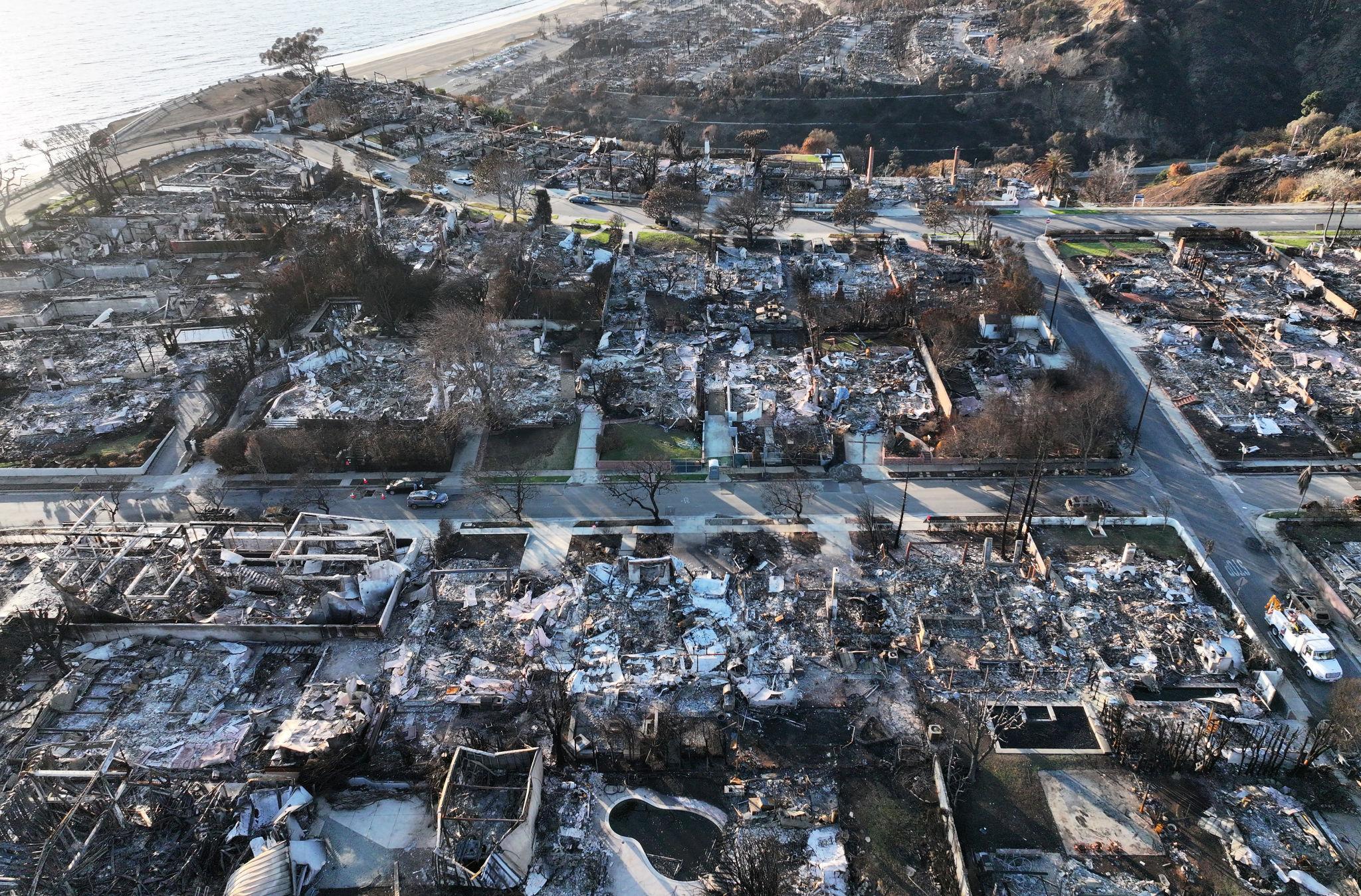
The January 7 disaster killed 12 people, destroyed thousands of homes and buildings, and caused an estimated $150 billion in property losses.
The retrial began on Monday, November 2, 2026, after his first trial ended in a mistrial in June when jurors could not reach a unanimous verdict.
Rinderknecht has pleaded not guilty and continues to deny deliberately starting the fire.
How the Palisades Fire Started
---------------
According to federal prosecutors, Rinderknecht started a brush fire known as the Lachman Fire on New Year's Day 2025.
Although firefighters initially extinguished the blaze, investigators believe some embers remained underground.
On January 7, powerful Santa Ana winds swept through the Los Angeles region, and the fire allegedly reignited before spreading rapidly into Pacific Palisades.
The resulting wildfire destroyed nearly 7,000 homes and other structures.
Prosecutors argue that the January 1 fire and the January 7 disaster were connected, making Rinderknecht responsible for the destruction caused by the larger wildfire.
However, his defence disputes this explanation and argues that the original fire may have been caused by fireworks rather than deliberate arson.
Why the First Trial Ended Without a Verdict
---------------
Rinderknecht's first trial lasted approximately three weeks before jurors became deadlocked.
According to Reuters, the jury split 10 to 2 in favour of acquittal but could not reach a unanimous decision on any of the three original charges.
The disagreement resulted in a mistrial, meaning the court proceedings ended without a final verdict.
Prosecutors subsequently obtained a revised indictment that reduced the number of charges from three to two.
The revised case is expected to focus more narrowly on the alleged January 1 arson and the destruction connected to the later Palisades fire.
Prosecutors Present Evidence Against the Suspect
---------------
Federal prosecutors have relied on several pieces of evidence in their case against Rinderknecht.
These include mobile phone location information, security camera footage and statements about his movements around the time the initial fire started.
Prosecutors also highlighted a question he allegedly asked ChatGPT on his phone while reporting the fire to emergency services.
According to the prosecution, he asked whether someone could be blamed for starting a fire because of cigarettes.
Investigators have also examined his activities around the hillside where the original fire reportedly began.
The prosecution believes the combined evidence supports its allegation that the fire was deliberately started.
However, the evidence remains subject to examination during the trial, and the allegations have not been established by a criminal conviction.
Defence Says the Suspect Is Innocent
---------------
Rinderknecht's defence lawyers have strongly rejected the prosecution's account.
His attorney, Steve Haney, argued during the first trial that there was insufficient physical evidence connecting his client to deliberate arson.
The defence has suggested that fireworks could have caused the original fire.
It has also questioned whether the January 1 blaze should be treated as the direct cause of the much larger wildfire that erupted six days later.
Rinderknecht has previously stated that he witnessed the initial fire, contacted emergency services and remained at the scene until firefighters arrived.
He has remained in federal custody since his arrest in October 2025.
The Devastating Impact of the Palisades Wildfire
---------------
The Palisades wildfire became one of the most destructive disasters in Los Angeles history.
The fire killed 12 people and destroyed thousands of residential and commercial structures across Pacific Palisades and surrounding communities.
The disaster also forced residents to evacuate, disrupted businesses and left many families facing long-term housing and financial difficulties.
Another major wildfire, the Eaton Fire, erupted around the same period in Altadena, killing 19 people and destroying homes and other properties.
Investigators later determined that the Eaton Fire was caused by sparks from an electrical transmission tower.
The two disasters together became the deadliest wildfire catastrophe in Los Angeles County's history.
What Sentence Could the Suspect Face?
---------------
If convicted under the revised federal indictment, Rinderknecht could face a maximum prison sentence of up to 40 years.
However, the final sentence would depend on the charges proven, the applicable federal sentencing rules and the court's decision.
The suspect is presumed innocent unless prosecutors prove the charges beyond a reasonable doubt.
What Happens Next?
---------------
The second trial is expected to examine the prosecution's evidence and the defence's alternative explanation for how the initial fire started.
Jury selection began on November 2, with the proceedings expected to determine whether prosecutors can secure a conviction after the first trial ended without a verdict.
The outcome could become an important development in the search for accountability following the devastating Palisades wildfire.