Nigeria Evacuates Its First Confirmed Ebola Patient
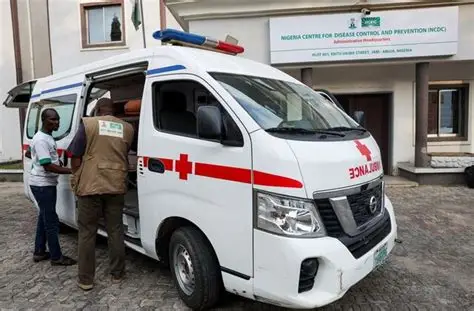
Nigeria's response to its latest Ebola case has entered a new phase following the medical evacuation of the country's first confirmed patient to Switzerland.
The patient, a 42-year-old Swiss woman, was flown out of Abuja on October 26, 2026, alongside her husband after receiving medical attention from Nigerian health professionals.
The evacuation was approved by the Coordinating Minister of Health and Social Welfare, Professor Muhammad Ali Pate.
According to the minister, the woman's condition had improved significantly before her departure. She was described as stable, conscious and able to communicate.
However, authorities warned that an improvement in her condition did not automatically mean she was no longer infectious.
How Nigeria Recorded Its First Case
The patient arrived in Abuja on October 3 after travelling from Uganda through Addis Ababa.
She reportedly began experiencing symptoms on October 7 and was subsequently admitted to a private health facility.
The Nigeria Centre for Disease Control and Prevention was notified on October 19, prompting investigations and laboratory testing.
On October 20, laboratory results confirmed that she had contracted the Bundibugyo species of Ebola virus disease.
The infection raised concerns because Nigeria had not recorded a confirmed Ebola case for more than a decade.
Health authorities began investigating the patient's travel history and identifying individuals who might have come into contact with her.
What Happened to the Patient After Evacuation?
Following her arrival in Switzerland, the patient was transferred to Geneva University Hospitals for continued treatment.
Her husband, who had not shown symptoms, was placed in isolation at University Hospital Zurich.
Swiss health authorities confirmed that appropriate medical facilities were available to manage both individuals.
The evacuation was arranged because the couple are Swiss citizens, while Nigerian medical teams had already stabilised the patient during the acute phase of her illness.
NCDC Continues Contact Tracing
Although the patient was evacuated, Nigeria's public health response did not end with her departure.
The NCDC's October 26 situation report identified 54 contacts linked to the confirmed case.
Three contacts were reported to have symptoms and were being assessed, while no additional positive contact had been recorded in the report.
Contact tracing is particularly important because Ebola can spread through direct contact with the blood and bodily fluids of an infected person or contaminated materials.
Health authorities therefore need to establish whether anyone who interacted with the patient developed symptoms.
Should Nigerians Be Worried About Another Ebola Outbreak?
The development deserves attention, but Nigerians should avoid unnecessary panic.
The evacuation of the confirmed patient does not mean that the country can immediately abandon surveillance and preventive measures.
Public health authorities must continue monitoring identified contacts, investigating possible exposure routes and maintaining preparedness at healthcare facilities.
People should also avoid contact with anyone suspected of having Ebola and seek medical attention if they develop concerning symptoms after a possible exposure.
What Happens Next?
Nigeria's immediate priority is to prevent further transmission and ensure that everyone identified during contact tracing receives the necessary follow-up.
The country has previous experience managing Ebola, including the 2014 outbreak, when public health authorities successfully contained the disease.
The latest case once again highlights the importance of early detection, effective contact tracing and cooperation between countries.
For now, the focus remains on surveillance and ensuring that the virus does not spread further within Nigeria.