Israeli Troops Withdraw from Hebron After 10-Day Operation Displaces Thousands
Israeli forces have withdrawn from parts of Hebron in the occupied West Bank after completing a 10-day military operation that displaced thousands of Palestinians and caused significant damage to homes, businesses and infrastructure.
The withdrawal took place on Monday, November 2, 2026, allowing displaced residents to begin returning to their neighbourhoods.
The operation began on October 23 after two Palestinian gunmen attacked an Israeli military checkpoint near Hebron, killing two Israeli soldiers and injuring three others. The two attackers were subsequently killed by Israeli forces.
Israeli Prime Minister Benjamin Netanyahu ordered the military operation following the attack.
According to Reuters, the Israeli military confirmed that its soldiers had completed their activities and withdrawn from the area.
Thousands of Palestinians Displaced
---------------
The military operation forced thousands of Palestinians to leave their homes.
The United Nations said more than 3,000 people were displaced during the operation, while Palestinian authorities reported that more than 3,300 residents were displaced or otherwise affected.
Several neighbourhoods experienced movement restrictions, military searches and the occupation of residential properties by Israeli forces.
Al-Jazeera reported that the wider siege affected thousands of residents, with families facing difficulties accessing essential services and moving between neighbourhoods.
The displacement created additional pressure on families who had to find temporary accommodation with relatives or elsewhere in the city.
Homes and Businesses Left Damaged
---------------
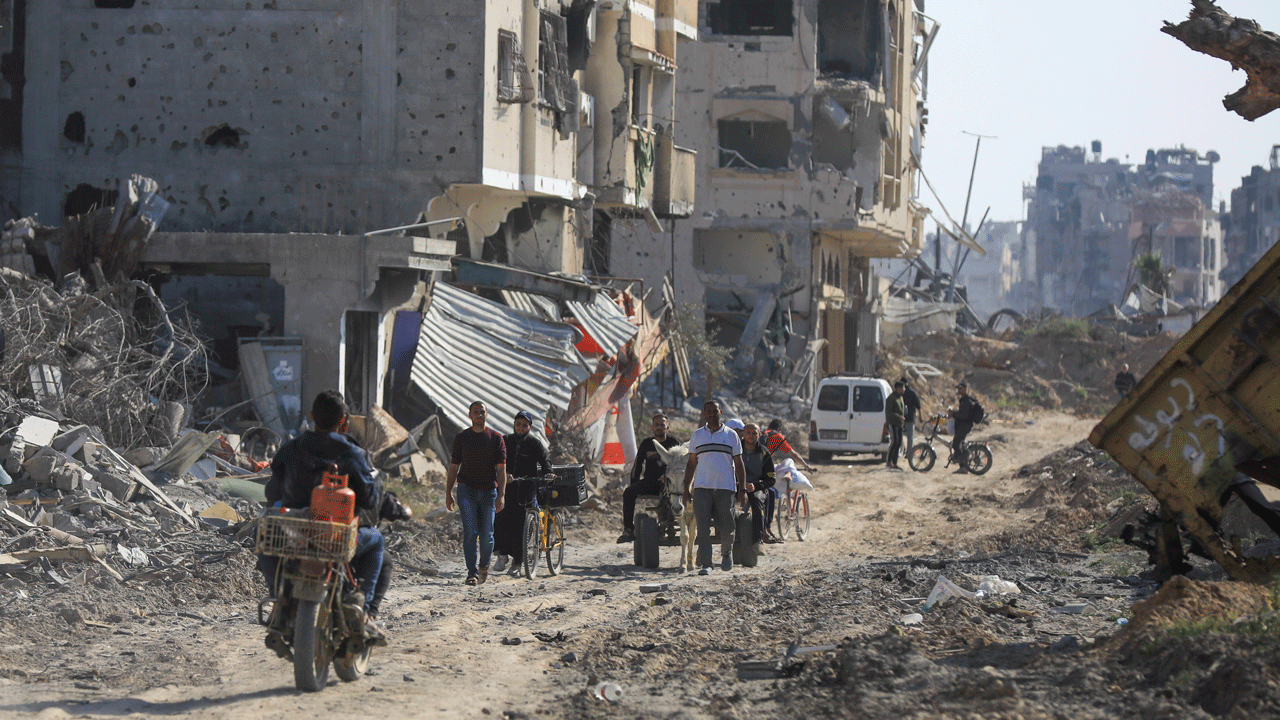
Residents returning to Hebron described finding damaged homes and personal belongings scattered across their properties.
Reuters reported the experience of Tamara Obeid, who said Israeli soldiers forced their way into her home during the operation.
She described soldiers entering the property, pointing weapons at her and handcuffing her husband.
Other residents also reported damage to residential buildings and commercial properties.
Israeli forces confirmed demolishing the homes of the two Palestinian attackers. Local officials also reported the destruction of additional homes, shops, factories and roads, although the full extent of the damage remains unclear.
The military said its operations included searching several locations, questioning and detaining suspects, and confiscating four weapons along with other military equipment.
Palestinian Authorities Confirm Return of Residents
---------------
Following the Israeli withdrawal, Hebron Governor Khaled Dudin announced that Palestinian security forces had taken control of the affected area.
He said families who had been forced to leave could begin returning to their homes.
Local authorities and emergency workers were also working to restore access and assess the damage left behind by the military operation.
Images and reports from the area showed residents returning with their belongings while bulldozers cleared rubble and barricades from damaged streets.
However, returning home does not necessarily mean normal life has immediately resumed, as residents still face the consequences of damaged infrastructure, disrupted businesses and the loss of personal property.
Why Israel Launched the Operation
---------------
The Israeli government ordered the operation following the October 23 checkpoint attack, in which two Israeli soldiers were killed.
Israeli authorities said the military action was intended to locate weapons, identify suspects and prevent further attacks.
The military also confirmed that soldiers detained and questioned suspects during searches across several locations.
However, the scale of the operation and the displacement of civilians attracted criticism from Palestinian officials and human rights organisations.
The United Nations also raised concerns about the humanitarian consequences of the operation and the large number of people forced from their homes.
What Happens Next in Hebron?
---------------
The withdrawal of Israeli troops marks the end of the 10-day operation in the affected areas, but the humanitarian and economic consequences remain.
Palestinian authorities now face the task of helping displaced families return, assessing damaged buildings and restoring normal activities.
Residents will also need access to essential services, education, healthcare and businesses that were disrupted during the military operation.
The situation remains part of the wider Israeli-Palestinian conflict, which has continued to generate violence and instability across the occupied West Bank and Gaza.
For now, the return of displaced families offers an opportunity to begin rebuilding, although the full recovery of affected communities could take considerably longer.