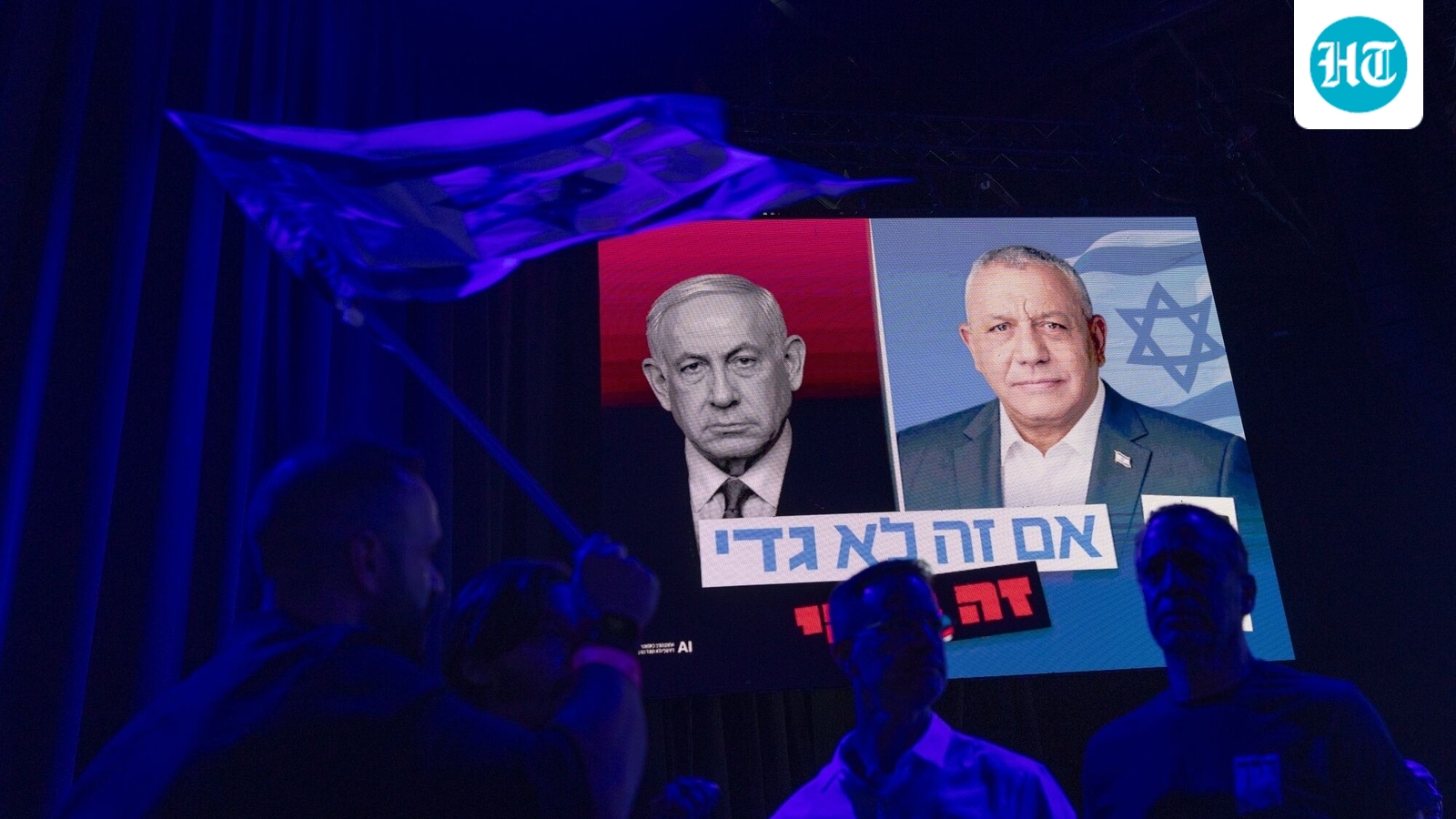
Israel has seen record voter turnout as Prime Minister Benjamin Netanyahu fights to retain power, according to Hindustan Times. The newspaper describes the election as the country’s first since the Hamas-led attacks of October 2023. The reported participation makes the contest a major test of public confidence, though turnout alone cannot establish which political bloc has gained an advantage or who will ultimately form a government.
Security and Accountability Shape the Contest
The October 2023 attacks killed around 1,200 people and saw 251 others taken hostage, according to the newspaper’s account. Their aftermath has placed security, the fate of hostages and political accountability at the centre of Israel’s public debate. For voters, assessments of leadership can involve both the failures that allowed the attacks and decisions made in response.
Netanyahu has defended his record by presenting himself as the leader best equipped to confront Israel’s enemies, Hindustan Times reports. His right-wing coalition has also faced criticism over security failures. The political question is whether voters accept his argument for continuity or favour a change in leadership. Strong participation demonstrates engagement, but it does not reveal a single shared motivation among those casting ballots.
Coalition Numbers Will Decide Who Governs
Israel elects its 120-member parliament, the Knesset, through nationwide proportional representation. Voters choose party lists rather than directly electing a prime minister. Parties must clear an electoral threshold to enter parliament, and governments generally depend on agreements among several parties. Consequently, the largest party does not automatically secure the premiership; the ability to assemble a workable parliamentary majority is decisive.
That system makes the distribution of votes as important as the overall turnout. Shifts between allied parties, or a smaller party failing to cross the threshold, can alter a bloc’s prospects. Even a strong result for Netanyahu’s own party would leave questions about potential partners and their demands. Negotiations can turn on security policy, religion and state, public spending, and the balance of power between political institutions.
- Record turnout is the headline claim reported by Hindustan Times.
- Participation alone does not establish a winner or mandate.
- Parliamentary seats and coalition agreements determine the governing outcome.
Readers should watch for official turnout figures, verified vote totals and the final allocation of Knesset seats. Statements from potential coalition partners will then help clarify whether Netanyahu has a path to remain in office or whether an alternative governing arrangement can emerge.