The conflict involving Iran, the United States and Israel has taken another concerning turn after Iran's Revolutionary Guards Navy reported that four oil tankers caught fire in the Strait of Hormuz.
Iranian state media reported on Friday, October 30, that the vessels had caught fire and exploded while allegedly travelling through routes that Iranian authorities described as unauthorised.
The announcement has raised fresh concerns about commercial shipping and the security of one of the world's most important energy transportation routes.
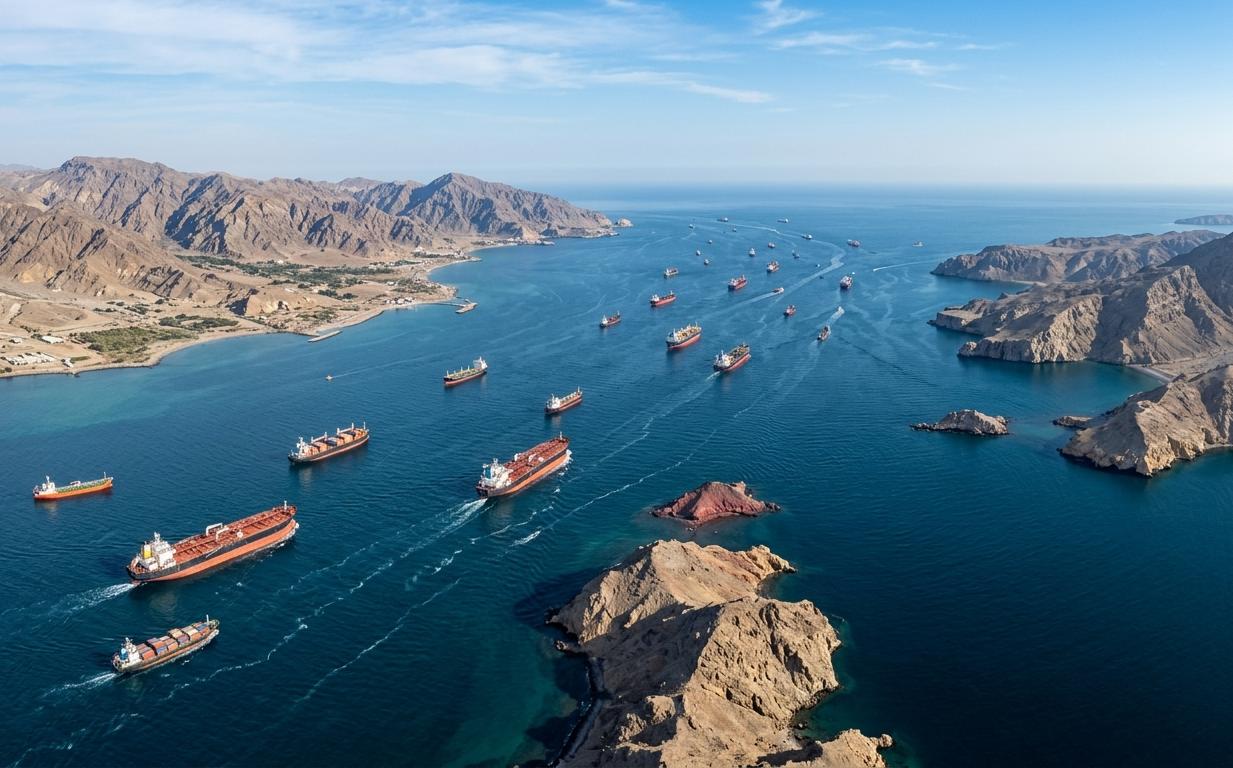
The Strait of Hormuz connects the Persian Gulf to the Gulf of Oman and the Arabian Sea. It is a critical passage for international oil shipments, making any disruption potentially significant for the global economy.
However, Reuters reported that it could not independently verify Iran's claims about all four vessels.
What Happened to the Tankers?
According to Iran's Revolutionary Guards Navy, several vessels were involved in separate incidents.
One statement described a tanker carrying more than two million barrels of crude oil that reportedly struck a naval mine before suffering a powerful explosion.
Separately, the United Kingdom Maritime Trade Operations agency received reports of commercial vessels being struck by unknown projectiles.
One reported incident involved a crude oil tanker hit on its port side while travelling through the waterway. The strike reportedly caused a fire, although the crew were said to be safe.
It remains unclear whether all the incidents reported by maritime authorities involved the same vessels mentioned by Iran.
Why Is the Strait of Hormuz So Important?
The Strait of Hormuz is among the most strategically important waterways in the world.
A significant proportion of global oil supplies passes through the narrow shipping corridor every day.
Countries in the Gulf region depend heavily on the route to transport crude oil and petroleum products to international markets.
Any prolonged disruption could affect:
- International oil prices.
- Fuel costs in importing countries.
- Shipping and insurance expenses.
- Global energy supply chains.
- Economic stability in countries dependent on imported petroleum.
For countries such as Nigeria, international oil market movements can also have consequences for government revenue, foreign exchange and domestic fuel prices.
Trump Says the War Could End Soon
While reports of tanker incidents have raised concerns, US President Donald Trump has suggested that the conflict could be approaching an end.
Trump said the war would be wrapped up soon but emphasised that Washington wanted guarantees that Iran would never obtain a nuclear weapon.
Meanwhile, diplomatic discussions involving regional countries have continued.
Iranian media reported that a Qatari delegation had returned to Tehran for discussions, while Pakistan has also indicated that it remains cautiously optimistic about its mediation efforts.
However, the situation remains uncertain, with military developments continuing alongside diplomatic efforts.
Could Oil Prices Increase Further?
The Strait of Hormuz plays an important role in global energy markets.
When vessels face security threats in the area, shipping companies may reconsider routes, insurers may increase premiums and oil traders may respond to the possibility of supply disruptions.
The actual impact on prices will depend on how long the disruption lasts, whether additional vessels are affected and whether alternative shipping arrangements can be maintained.
For ordinary consumers, sustained increases in international oil prices could eventually affect transportation, manufacturing and energy costs.
What Happens Next?
International attention is now focused on developments in the Strait of Hormuz and the possibility of a diplomatic breakthrough.
Maritime authorities will continue monitoring shipping activity, while governments and energy markets assess the potential consequences of further attacks.
For now, the situation remains fluid. Iran's reported tanker incidents, Trump's comments and continuing diplomatic efforts have made the Strait of Hormuz one of the most closely watched locations in the world.