Nuclear oversight and civilian protection are at the centre of a world news roundup from The Manila Times. The publication reports an appeal for inspectors to return swiftly to Iran, alongside a headline describing a deadly church attack in Jordan and a look at El Fasher “one year on.” These separate developments raise questions about international access, public safety and sustained attention to humanitarian crises.
Why Iran’s Nuclear Inspections Matter
According to The Manila Times, International Atomic Energy Agency director general Rafael Grossi called for a swift return of inspectors to Iran, warning of growing fragility in the global nuclear non-proliferation regime. His appeal puts verification at the forefront: diplomatic assurances carry more weight when international inspectors can independently assess nuclear material and activities.
The IAEA’s safeguards work helps verify that nuclear material is not diverted from peaceful uses. Inspections, monitoring equipment and records can support that process, although their scope depends on applicable agreements and access arrangements. Interruptions can make continuity of knowledge harder to maintain. The central questions are what access inspectors will receive, when work can resume and whether outstanding verification issues can be resolved.
Civilian Protection in Jordan and Sudan
The Manila Times headline also describes a deadly church attack in Jordan. Attacks on places of worship threaten both immediate physical safety and communities’ ability to practise their faith without fear. Establishing the circumstances, identifying those responsible through a credible investigation and supporting victims are essential. Conclusions about motive or wider responsibility should rest on verified findings rather than assumptions.
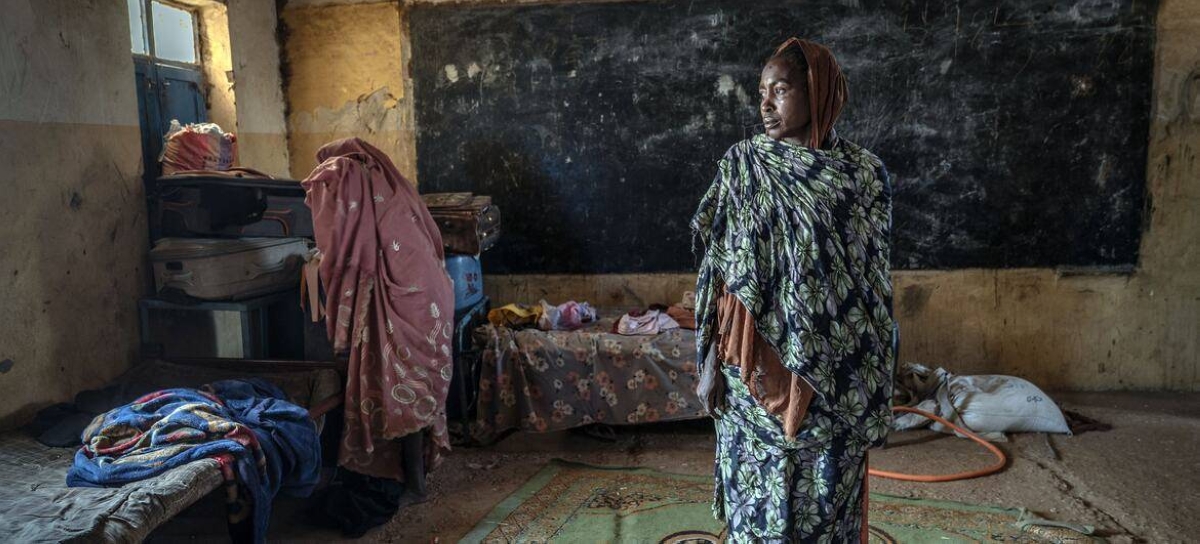
The roundup also returns to El Fasher, the capital of North Darfur in Sudan. The city has been a major focus of the war between Sudan’s armed forces and the Rapid Support Forces. For civilians caught in prolonged conflict, protection depends on more than battlefield developments: humanitarian access, functioning medical services and safe movement are critical. Sustained scrutiny matters because protracted emergencies can fade from public attention while needs remain severe.
Key points:
- Iran: inspection access is central to credible nuclear verification.
- Jordan: verified investigative findings should guide understanding of the reported attack.
- El Fasher: civilian safety and humanitarian access remain essential priorities.
Readers should watch for IAEA announcements on inspection arrangements, official findings concerning the reported church attack, and independently verified humanitarian updates from El Fasher. Concrete changes in access, accountability and protection will matter more than broad assurances.