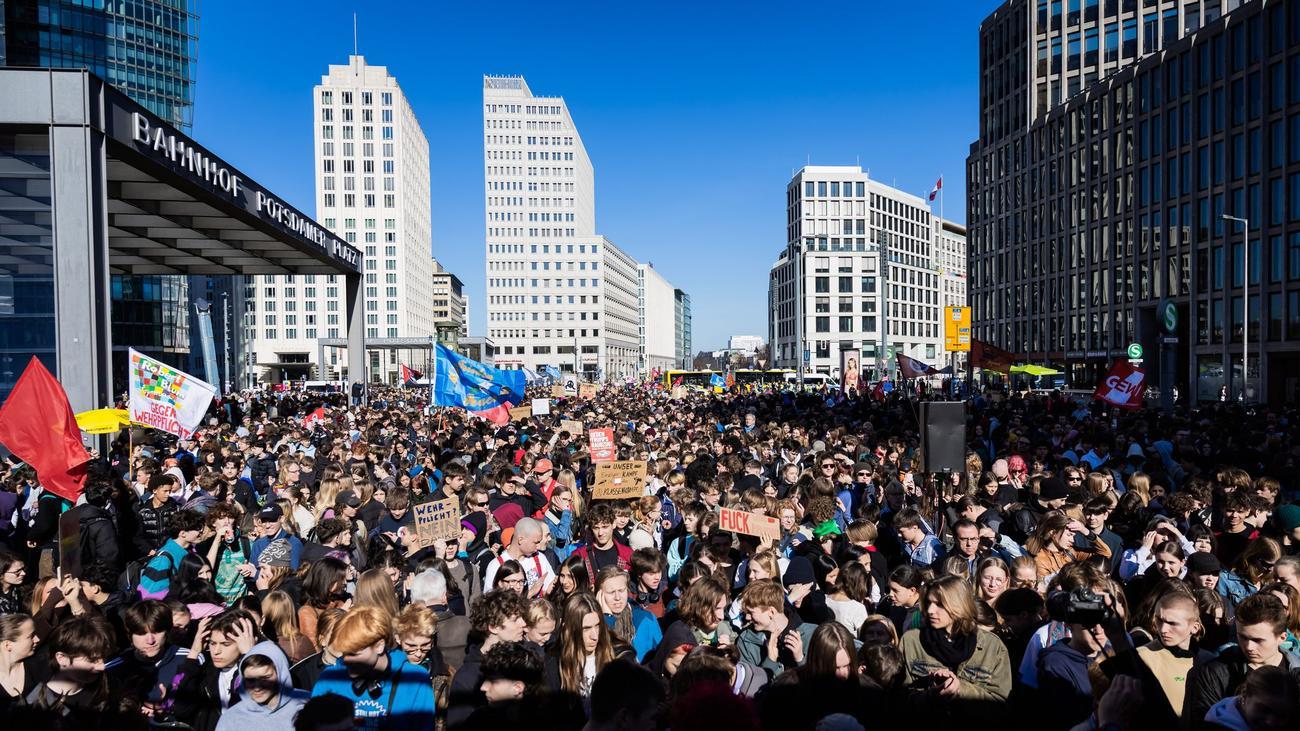
Germany is preparing for one of its largest youth-led protest movements in recent times, with more than 160,000 people expected to participate in demonstrations across the country on Saturday, October 31.
The protests are being organised under the campaign group Gen Z regelt, which has called on young people to demand improvements in education, living conditions and government policies affecting their future.
According to Reuters, demonstrations are expected in 34 German cities.
The movement comes amid growing frustration among young people over economic pressures, the quality of public services and uncertainty about employment and education opportunities.
Why Are Young Germans Taking to the Streets?
The demonstrations are centred on several issues affecting younger generations.
One of the biggest concerns is the rising cost of living.
Housing, transportation, food and other essential expenses have become major challenges for many young people, particularly students and those entering the workforce.
Protesters are also demanding greater investment in education.
Some students have complained about poor university facilities, inadequate resources and a lack of government attention to problems affecting educational institutions.
Another major issue is compulsory military service.
The organisers are opposing policies that could require more young people to participate in military service, arguing that individuals should have greater control over decisions concerning their future.
Why Is the Protest Movement Growing?
The movement reflects wider frustration among younger Europeans over economic opportunities and political decisions.
Many young people feel that governments are not adequately addressing the challenges facing their generation.
Rising housing costs, uncertain employment prospects and pressure on public services have contributed to dissatisfaction.
Social media has also played an important role in organising demonstrations and spreading information about the campaign.
Platforms such as TikTok and Instagram allow organisers to reach large audiences quickly, particularly among younger people.
German Authorities Prepare for the Demonstrations
German authorities are preparing security arrangements ahead of the planned demonstrations.
Reuters reported that officials expect most rallies to remain peaceful but warned that extremist groups could attempt to exploit the gatherings.
Some businesses in Berlin have reportedly boarded up their windows or planned to close earlier than usual because of concerns about possible unrest.
Authorities have also warned demonstrators against violence and property destruction.
Germany has experienced several large public demonstrations in recent years, making crowd management an important priority for police.
What Does Gen Z Want From the Government?
The campaign highlights concerns that extend beyond a single political issue.
Young demonstrators are calling for:
- Greater investment in schools and universities.
- More affordable housing and everyday living costs.
- Better opportunities for young workers.
- Greater attention to the needs of students.
- Opposition to compulsory military service.
The movement's demands reflect a wider debate about how governments should respond to the economic and social challenges facing younger generations.
Could the Protests Spread Beyond Germany?
The demonstrations are taking place against a wider backdrop of youth activism across Europe.
Germany and France have both been preparing for youth-led gatherings over the Halloween weekend.
Although the specific demands differ between countries, concerns about economic opportunities, public services and political representation are common themes.
The extent to which the movement develops into a longer-term campaign will depend on participation, public support and the response from political leaders.
What Happens Next?
Saturday's demonstrations will provide an indication of how much support the movement has attracted.
The government will face questions about education investment, living costs and military service as organisers continue pushing for policy changes.
For Germany's younger generation, the protests represent an opportunity to make their concerns visible and demand a greater role in decisions that affect their future.